
For most cancers, the cause of their development is unknown. Age, environmental, and genetic risks are all factors that determine the risk of developing cancer. One out of four citizens in the Western world and one out of eight in most other countries are diagnosed with cancer. In the developing world, this incidence is rising, due to industrialization, pollution, and adaptation to the Western lifestyle. This includes smoking, diet changes, aging, and other death causes like infectious diseases.
The Biggest Cancer Risk Factors
Overall, aging is the most critical risk factor for developing cancer. This is simple mathematics. Cell replacement, as we age, takes place every 7 to 10 years. This poses a risk because during the cell replacement mistakes may take place. These mistakes, called mutations, accumulate over time, making the development of cancer (after a certain number of mutations) increasing risk of getting older.
Some are born with mutations present. These occur while the embryo is still forming with the genetic DNA material from the mother and father. Or if the mother took certain medications or smoked. This can result in cancer during childhood (leukemia, lymphoma, brain, or kidney cancers) or in young adults. The most common cancers in the young are lymphoma, bowel, and breast cancers (see family risk).
Lifestyle Risks
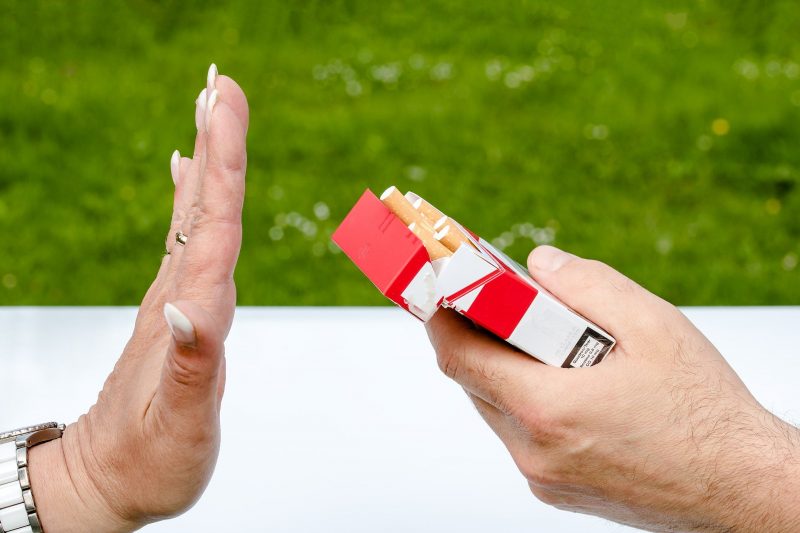
Some agents like smoking (mouth, throat, lung, bladder, cervix), drinking (throat, esophagus, liver), virus infections (HPV, HIV, EBV, hepatitis) or radiation (skin, leukemia, thyroid, breast), provoke several different mutations and are directly related to cancer risk. However, the same cancers can also occur in people who didn’t have intense contact with these agents. The genetic profile and their response to the treatment of these cancers are often different.
Viruses like HPV ( human papillomavirus, 80% of adults are infected, now a vaccine available for young adults before getting sexually active), hepatitis, and HIV/AIDS are related to higher cancer risk.
Obesity can increase the risk of relapse and side effects of treatment. Sunburn, especially at a young age increases the risk of skin cancer. Diet also plays a role in cancer risk per region of the world and is essential during and after treatment (see information on food). Cultural differences in food, chemic agents, air pollution, smoking habits, virus risk, bodyweight, and genetic predisposition make cancer risk differ significantly from country per country.

Heredity
Other cancers appear frequently in family generations. More than three family members under 45 years of age have colon, uterus, ovarian, or breast cancer. A genetic consultant can tell you the risk you pose to develop cancer and guide you to prepare for the future. (see talk to an expert)
Final Thoughts
The good news is that prevention can help us from developing these diseases. Cancer or no cancer, you are not alone. For greater insight into interacting with those suffering from the issues mentioned in the article or if you would like to chat with others who are affected, I highly recommend joining the app, WeAreMore.
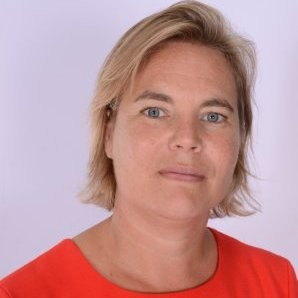
Charlotte Moser is a radiation oncologist by training, who completed her oncology training and Ph.D. in statistics and epidemiology in the Netherlands. As a teaching professor, she is focusing her research work on radiation drug combinations, safety, digital innovation, and deep learning tools in clinical practice. Her consultancy work and faculty teaching obligations include safety and new drug development with radiation. You can contact Ms. Moser at lottemoser@gmail.com or call +351 936 691 047.