

Is cancer contagious? This is one of the most pressing questions people ask themselves. Cancer develops because something is wrong when controlling growth (multiplying) cells. This is due to errors in overwriting the hereditary material, called genes or DNA. Repairing most errors is possible, but when they persist, we call them mutations. They will be carried on in any new cells. If more than five errors accumulate, cells die or can become cancerous, starting to duplicate uncontrollably.
Is Cancer Contagious?
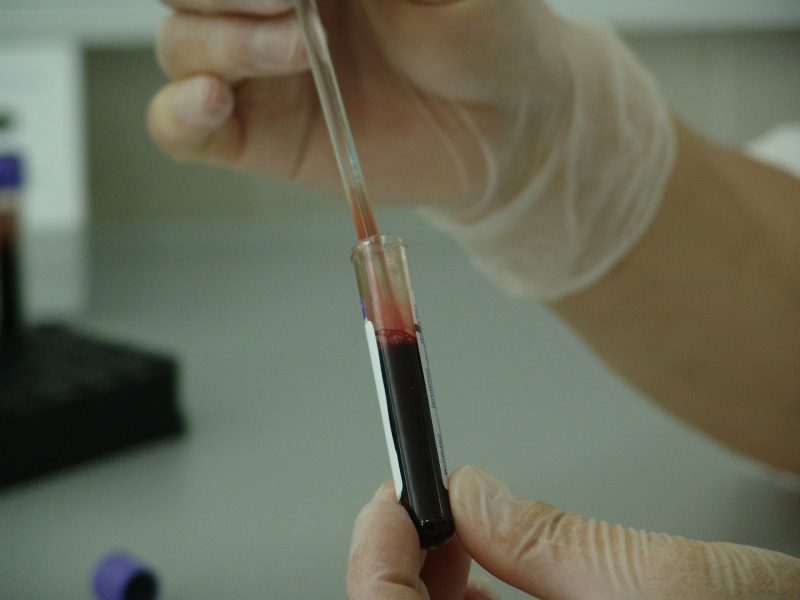
The short answer to ‘is cancer contagious?’ is no. But we will attempt to explain further. In contrast to viruses and other infectious diseases, we cannot contaminate others with cancer. Sexual contact, hugs, or doing things together are not risks. Some treatments (immune or chemotherapy) can reduce, however, significantly our immune system (defense against diseases). In this case, doctors’ advice to avoid others having a cold or sick, places like trains, metro, shopping centers, and swimming pools where many bugs jump around must be taken at heart.
Cancer and Mutations
We can be born with some DNA damage (5% of cancers develop young because of inherited mutations). Still, most mutations happen because of something we were exposed to; food, our work, air, chemicals, cigarette smoke, or sunlight. These things are called carcinogens.
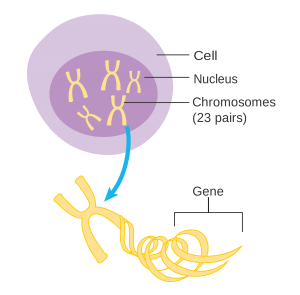
Children do not inherit them, and they are known as ‘Acquired Mutations.’ Mutations known as sporadic cancers are what cause cancers. Some specific cancers (breast, ovarian, colon, leukemia) can be inherited from a parent. They are called hereditary cancers. In these cases, people can receive a diagnose early in life. Some of these mutations are now known, and a test-kit is available to determine family risk.
We inherit genes from both our parents. If one of our parents has a faulty gene, then each child has a 50% chance of inheriting it. So some children will have a faulty gene and an increased risk of developing cancer and other children won’t. Overall, genetics specialists estimate that only about 2 or 3 in every 100 cancers (2 to 3%) are linked to a hereditary syndrome.
Are You at Risk?
The risk of your family depends on:
- Several relatives on the same side of your family have had cancer – the same side of your family means either your father’s relatives or your mother’s relatives.
- The same error is causing different types of cancer (breast and ovarian or colon and uterus).
- The cancers developed when the family members were relatively young, below the age of 50.
- One of your relatives has had a gene error found by genetic tests.
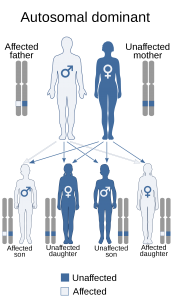
It is important to remember that cancer is most common in people over the age of 60 and is rarer in young people. So cancer in older people is less likely to be due to an inherited cancer gene. Many mutations need to be in place for cancer to develop. Because the other factors are not always in place, cancer may skip a generation. A parent may have the gene and not develop cancer, but their child who inherits the same gene can develop cancer.
Final Thoughts
We need more research to find out what these other factors are for each type of cancer. We also need to find out more about how genes work together to cause cancer so that we can reduce the risk of developing it. For greater insight into interacting with those suffering from the issues mentioned in the article or if you would like to chat with others affected, I highly recommend joining the app, WeAreMore.

Charlotte Moser is a radiation oncologist by training, who completed her oncology training and Ph.D. in statistics and epidemiology in the Netherlands. As a teaching professor, she is focusing her research work on radiation drug combinations, safety, digital innovation, and deep learning tools in clinical practice. Her consultancy work and faculty teaching obligations include safety and new drug development with radiation. You can contact Ms. Moser at lottemoser@gmail.com or call +351 936 691 047.